Uncover the Vital Services Delivered by a Professional Arborist for Maintaining Healthy Trees
A professional arborist delivers a variety of services vital for ensuring tree wellness and beautifying outdoor spaces. Their expertise in tree pruning stimulates development and minimizes threats. They also assess and handle tree diseases, ensuring tailored treatment plans are in place - Florence Arborist. Additionally, arborists manage secure tree removal and can assist with planting and transplanting. Their role is especially important during emergencies such as storm damage. Being aware of these services can greatly impact one’s approach to tree care
The Necessity of Tree Pruning
Although many homeowners might ignore the need for tree pruning, it serves a vital function in upholding the vitality and aesthetics of trees. Correct pruning helps trees develop a robust structure, taking away dead or sick branches that could pose risks. By carefully cutting branches, the tree can direct its energy on healthy growth, encouraging improved air flow and sunlight penetration. Additionally, pruning can improve the look of the tree, forming it for visual beauty in residential landscapes.
Moreover, regular pruning can prevent potential hazards, such as dropped branches during storms or high winds, which could damage property or injure individuals. It also helps prevent of pest infestations and diseases by improving the tree's resilience. Ultimately, hiring professional arborists for tree pruning ensures trees stay healthy, safe, and aesthetically appealing, greatly contributing to the overall beauty and value of the property.
Identifying and Treating Tree Diseases
Tree health can be significantly impacted by various diseases that may not always be immediately evident. A professional arborist plays an essential role in detecting these problems soon, utilizing a combination of visual inspections and testing equipment. Symptoms such as unusual leaf coloration, wilting, or irregular growth shapes often signal underlying health issues. Arborists assess these symptoms to identify specific diseases, whether fungal, bacterial, or viral in nature.
When the problem is identified, the tree specialist creates a tailored management plan. Such a strategy might incorporate specific applications, such as bactericides or fungicides, and cultivation methods that boost the tree's resistance. Additionally, correct hydration, mulching, and nutrition helps greatly enhance tree health and ability to fight off illness. Regular monitoring and follow-up treatments are essential for effective management, securing the long life and vitality of the trees. By addressing tree diseases proactively, professionals preserve the environmental value and aesthetic appeal provided by healthy trees.
Secure Methods for Tree Extraction
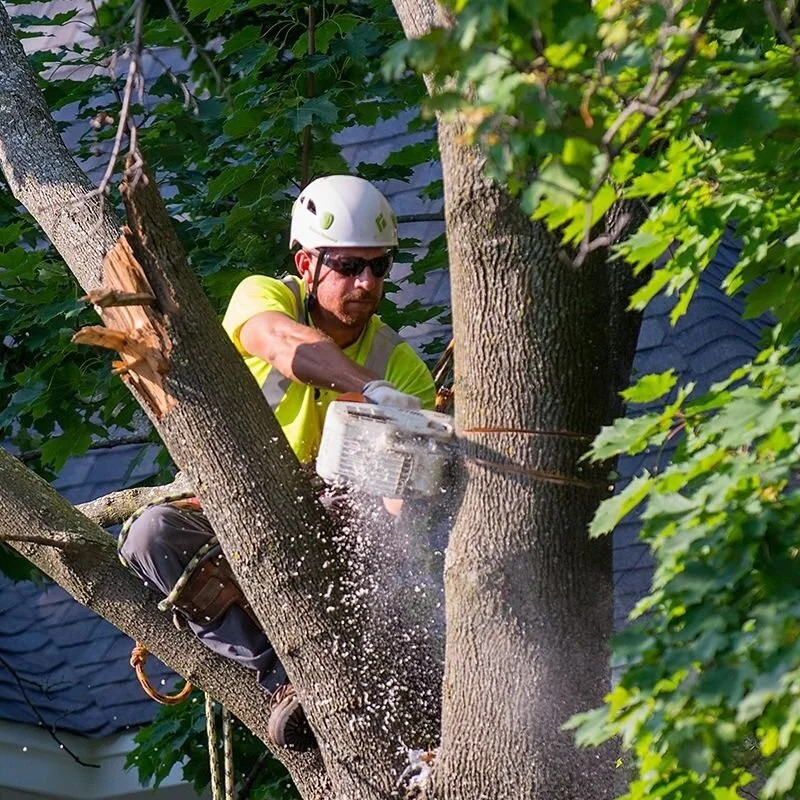
Proper tree felling methods are essential for guaranteeing safety and minimizing damage to surrounding property. Professional arborists employ a comprehensive evaluation of the tree's condition, where it is situated, and the surrounding environment before beginning the felling process. Professionals employ dedicated machinery, such as rigging equipment and chainsaws, to make clean incisions and maintain control while cutting down the tree.
A carefully designed extraction plan requires recognizing risks, such as nearby buildings or utility lines, which can impact the safety of the operation. Arborists often use a technique called "sectional dismantling," in which the tree is removed in smaller segments, reducing the risk of falling debris.
In addition, arborists adhere to local rules and standards to ensure adherence and environmental stewardship. Following the extraction, proper cleanup and disposal of the tree debris, stump treatment as well, help improve the overall security and look of the landscape.
Planting and Transplanting Trees
Planting and transplanting trees requires careful consideration of site selection and planting techniques to ensure future vitality and development. An appropriate setting greatly affects a tree's development, whereas good planting practices reduce trauma and aid in successful rooting. Tree specialists highlight these elements as essential for enhancing the strength and endurance of trees in various settings.
Choosing the Right Location
Selecting an appropriate site for relocating or establishing trees is vital for their future development and vitality. Factors such as the condition of the soil, the amount of sun, and drainage must be carefully evaluated. Certified arborists evaluate the location's features, ensuring that the selected area has enough food sources and proper foundation for the trees. In addition, the proximity to existing structures and neighboring vegetation is critical to avoid resource contention and prevent possible harm. Arborists also consider the tree’s maximum height and width and underground network, guaranteeing enough area for development. Through a comprehensive site evaluation, these experts help clients make informed decisions that foster robust, flourishing trees, ultimately enhancing the landscape’s visual appeal and natural benefits.
Ideal Planting Techniques
When the planting spot is meticulously reviewed and picked, the subsequent phase requires applying the best tree installation practices. Meticulous digging of the hole is essential; it should be twice the width of the root ball and not deeper than the root mass. The plant must be positioned in the opening so that the top of the root ball is level with the surrounding soil. Fill the hole with local earth, checking that all voids are filled, and irrigate completely to promote initial root establishment. Adding a layer of mulch near the trunk assists in keeping water in and suppress weeds. Florence Arborist. For transplanting existing trees, care must be taken to reduce root trauma and relocate the plant in its resting phase for the greatest likelihood of thriving. Following these techniques fosters healthy growth and longevity
Responding to Storm-Related Tree Hazards
When major tempests hit, the resultant conditions may leave trees in perilous conditions, endangering structures and security. Professional arborists play a vital role in immediate action, assessing trees harmed by the storm to check how safe and healthy they are. Their knowledge professional advice enables them to determine which trees are recoverable and which present immediate dangers that require extraction.
Armed with the right gear, tree experts are able to securely trim fractured limbs and haul away refuse, reducing additional harm to nearby locations. Arborists also offer helpful guidance on precautionary steps, such as selecting resilient tree species for future planting.
Apart from the initial cleanup, tree specialists assist clients in grasping the possible lasting consequences of the storm, providing advice for restoration and healing. Through quick and effective action, certified tree experts safeguard assets but also contribute to the restoration of the local environment once the tempest has passed.
Tree Nutrition and Soil Management
After the devastation caused by storm damage, focus shifts to the health of remaining trees, underscoring the importance of nutrient assistance and ground care. A certified tree specialist assesses ground quality and tree health to figure out specific nutritional needs. Trees require key nourishment, like nitrogen, phosphorus, and potassium, to recover and thrive post-stress incidents.
Soil management is crucial for nutrient availability and root growth. Arborists may recommend ground improvements, like organic matter, to boost soil structure and the action of microorganisms. The correct pH balance are also evaluated, as they affect how nutrients are absorbed.
Using mulching methods can improve moisture retention and suppress weeds, fostering a perfect setting for tree recovery. By developing a thorough nutritional plan and implementing effective soil management strategies, arborists guarantee trees regain strength, resilience, and total well-being, which is critical for keeping the environment stable following major environmental events.
Questions and Answers
How Often Should I Have My Trees Inspected?
Trees should be checked annually for peak health. Nevertheless, checking them more often might be required for younger trees, following harsh storms, or if any signs of distress or disease are observed.
What Expertise is Needed in an Arborist?
When seeking an arborist, one should prioritize certifications like ISA (the ISA) accreditation, applicable work history, proper liability insurance, and a strong reputation locally, ensuring expertise in arboriculture and safe procedures.
Are There Specific Tools Arborists Use for Tree Care?
Arborists utilize a range of unique equipment for tree care, like chainsaws, pruning shears, climbing gear, and stump grinders. Every piece of equipment has a distinct function, allowing for proper upkeep, pruning, and removal of trees while promoting overall health and safety.
What is the Influence of Climate on Tree Health?
The climate significantly affects tree health; excessive rain can lead to root rot, while dry spells put strain on trees. Harsh weather conditions may cause damage to leaves and branches, ultimately affecting development, resilience, and total vitality of the trees.
Am I able to care for my trees personally, or Should I Hire a Professional?
Even though a few fundamental tree care duties are manageable by homeowners, hiring a professional is often advisable - Florence Arborist. Specialists are equipped with unique expertise and gear, which guarantees the trees get the proper care necessary for ideal health and growth